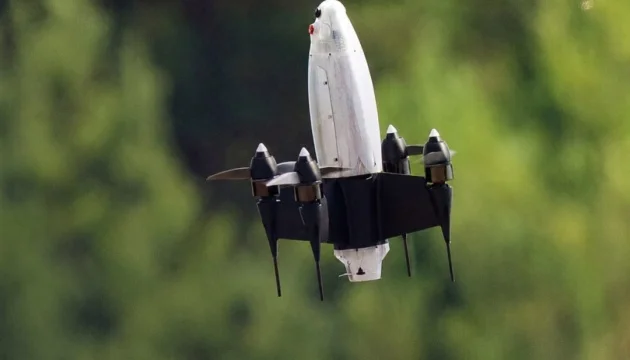
Soldiers of Delta Multi-Purpose Company, 1st Battalion, 502nd Infantry Regiment, part of the 101st Airborne Division, used drones to deliver munitions in live-fire training at Fort Campbell from 2 to 8 November, the US Army says. They worked with two technologies: Broad Lethality Air Deployed Effects (BLADE), an experimental munition, and the Drone Agnostic Release Kit (DARK).
DARK, developed by Orbital Research, lets different drones carry and drop payloads without a separate release system for each aircraft, and handles explosive munitions, smoke grenades and other equipment. BLADE was designed for drones and is meant to give effects comparable to conventional military munitions. During the exercise drones flew reconnaissance and dropped smoke and explosive munitions in simulated combat.
The company began with the Widowmaker, a cheap grenade-dropping device its soldiers built with 3D printing during a deployment to Poland. "This capability we are demonstrating in collaboration with our maneuver live fire exercise proves that we are closing the gap in capability with lethal UAS," said Capt. Jacob Moberly, the company's commander.
Background
101st Airborne Division
Army division
US Army division whose soldiers operated the AMP-HEL laser near Fort Hancock, Texas.
More stories about 101st Airborne Division
Drone Agnostic Release Kit
Drone payload release kit
The Drone Agnostic Release Kit (DARK) is a modular kit from Orbital Research that lets different drones carry and drop payloads, from explosive munitions to smoke grenades, without a separate release system for each aircraft.
Broad Lethality Air Deployed Effects
Drone-delivered munition
Broad Lethality Air Deployed Effects (BLADE) is an experimental US Army munition built to be dropped from small drones.