Research
A humanoid robot gets a fast touch reflex that softens unexpected impacts
China: researchers report a reflex layer on a Unitree G1 humanoid that reacts to harmful contact faster than its learned control policy.
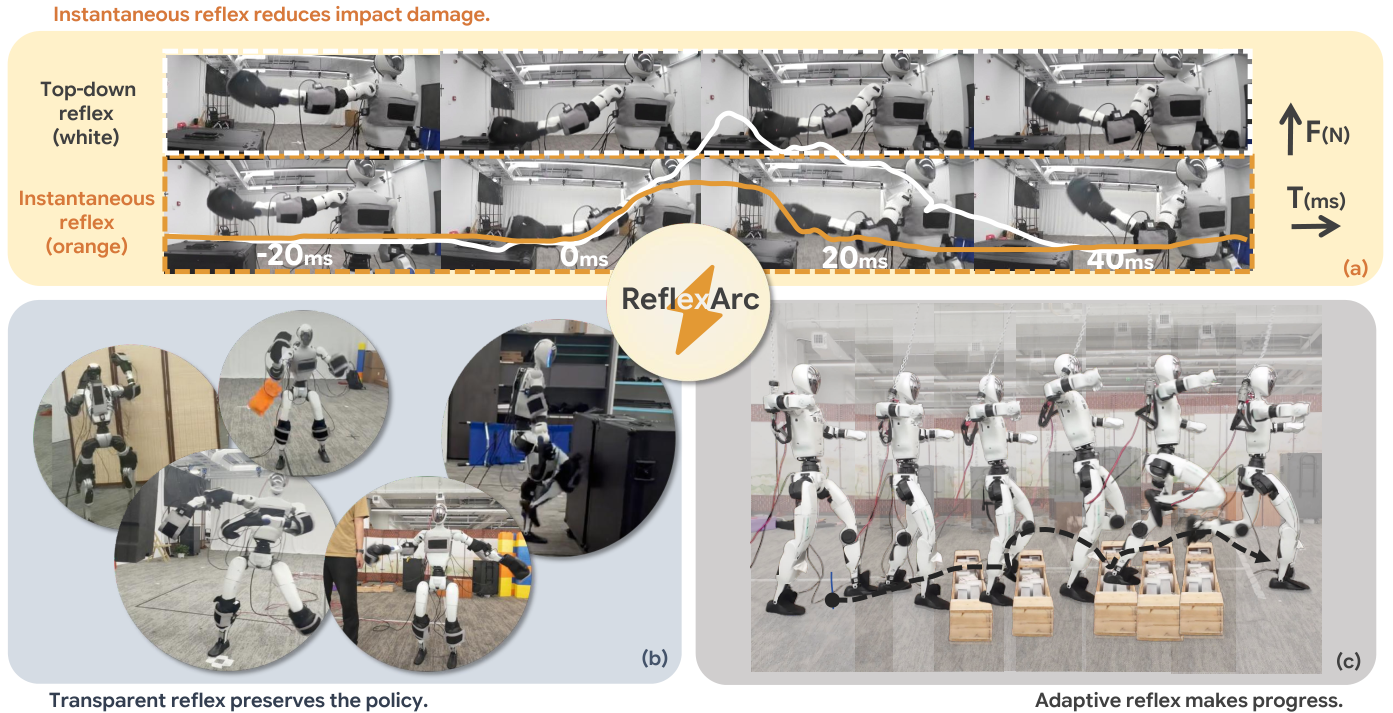

China: researchers report a reflex layer on a Unitree G1 humanoid that reacts to harmful contact faster than its learned control policy.
Research · 4 Nov
A language model reads the operator's instructions, an optimiser assigns tasks, and each vehicle carries on if another fails. Tested in simulation only.
Research · 4 Nov
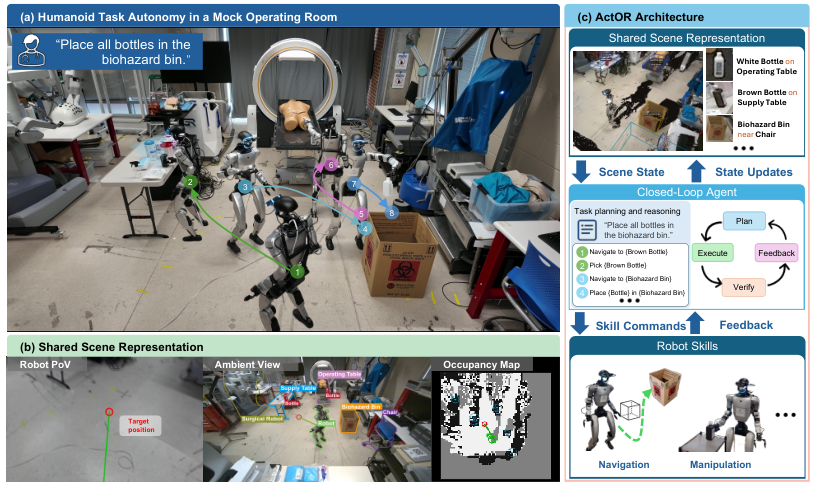
United States: Johns Hopkins researchers combine a room camera with a humanoid's own camera so a language-model agent can plan tasks; results are mostly from simulation.
Research · 3 Nov
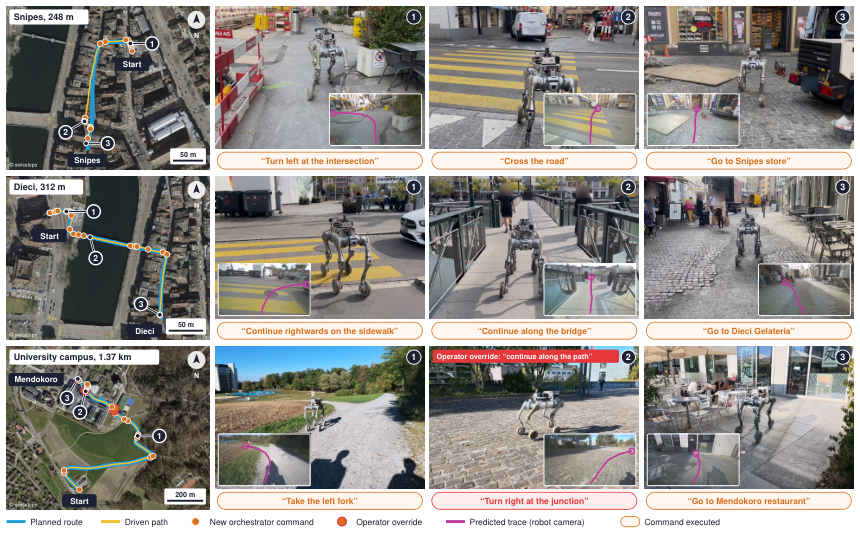
Research: a language model reads the route and an onboard model draws the path; the 1.37 km mission needed two operator command changes.
Research · 3 Nov
The comparison is the authors' own; the paper is accepted for publication in IEEE Robotics and Automation Letters.
Research · 3 Nov
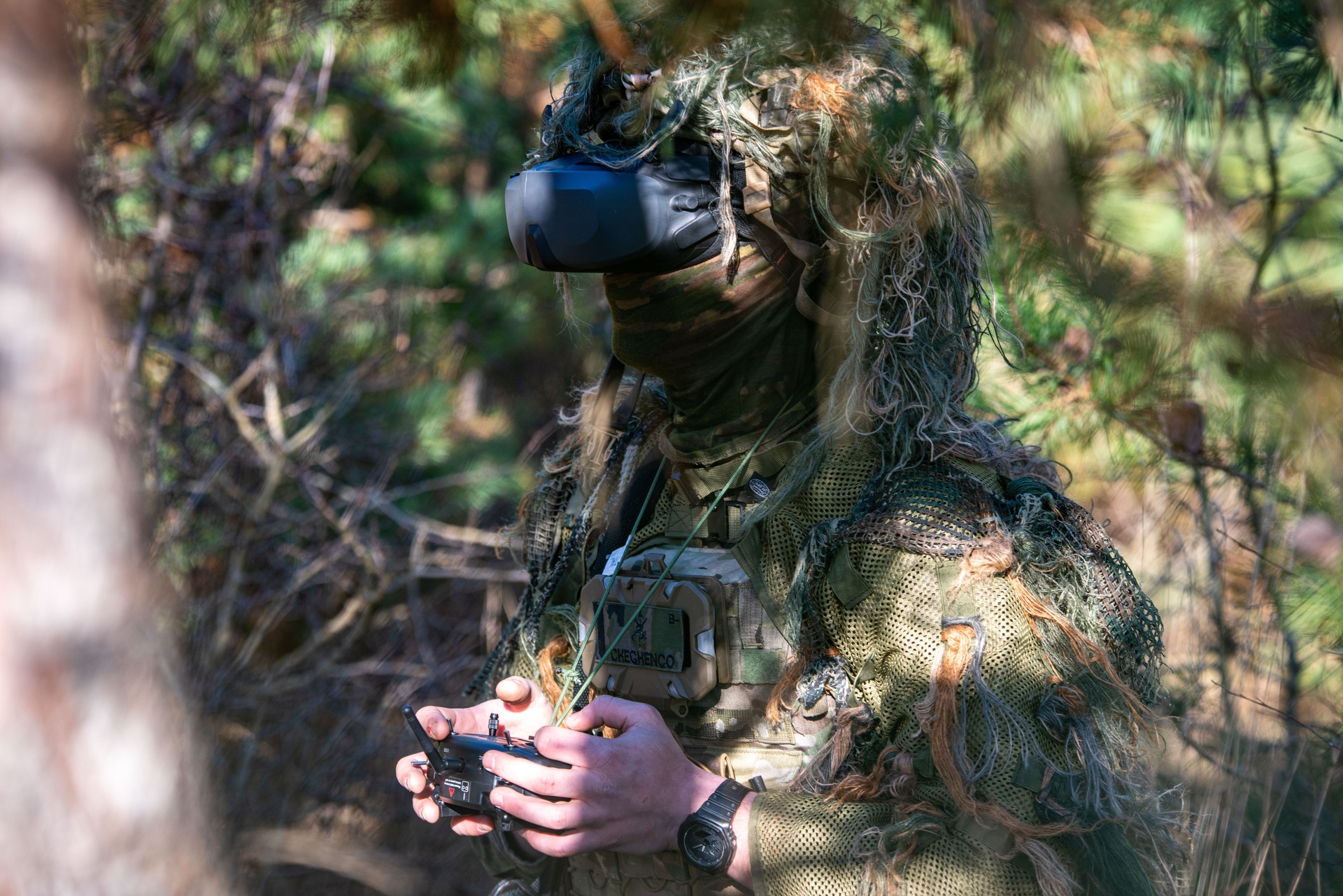
Spain: ten army specialists told a University of Granada researcher that legal and bureaucratic procedures, more than technology, are slowing the shift to FPV attack drones.
Research · 3 Nov
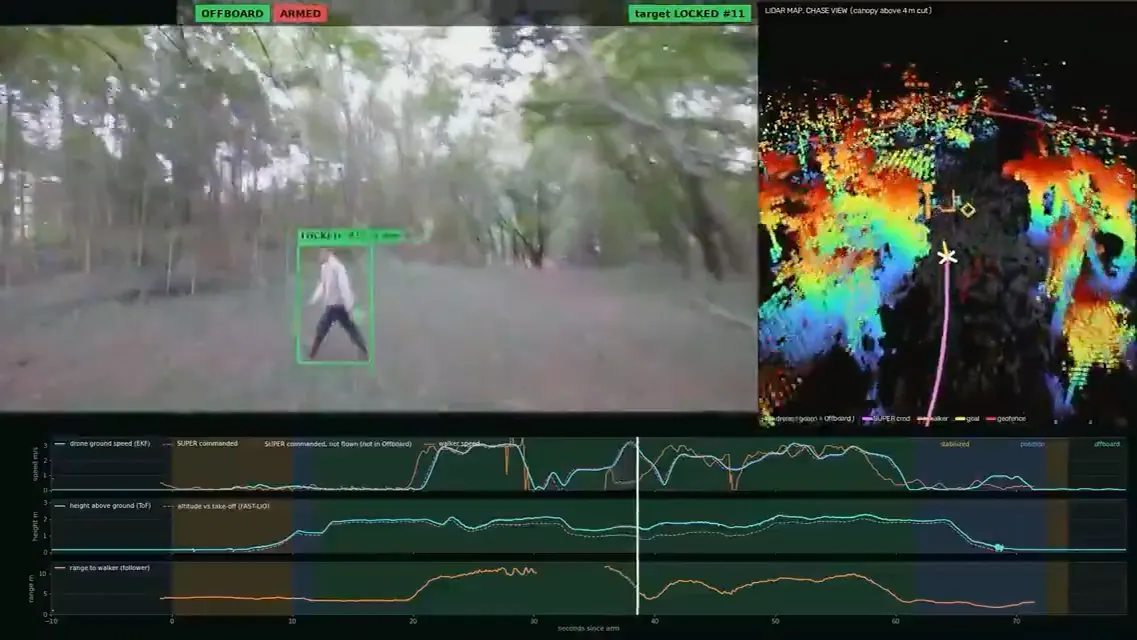
United States: the onboard system predicts where a person will go when trees block the view; the source is a 44-second demonstration video.
Research · 3 Nov
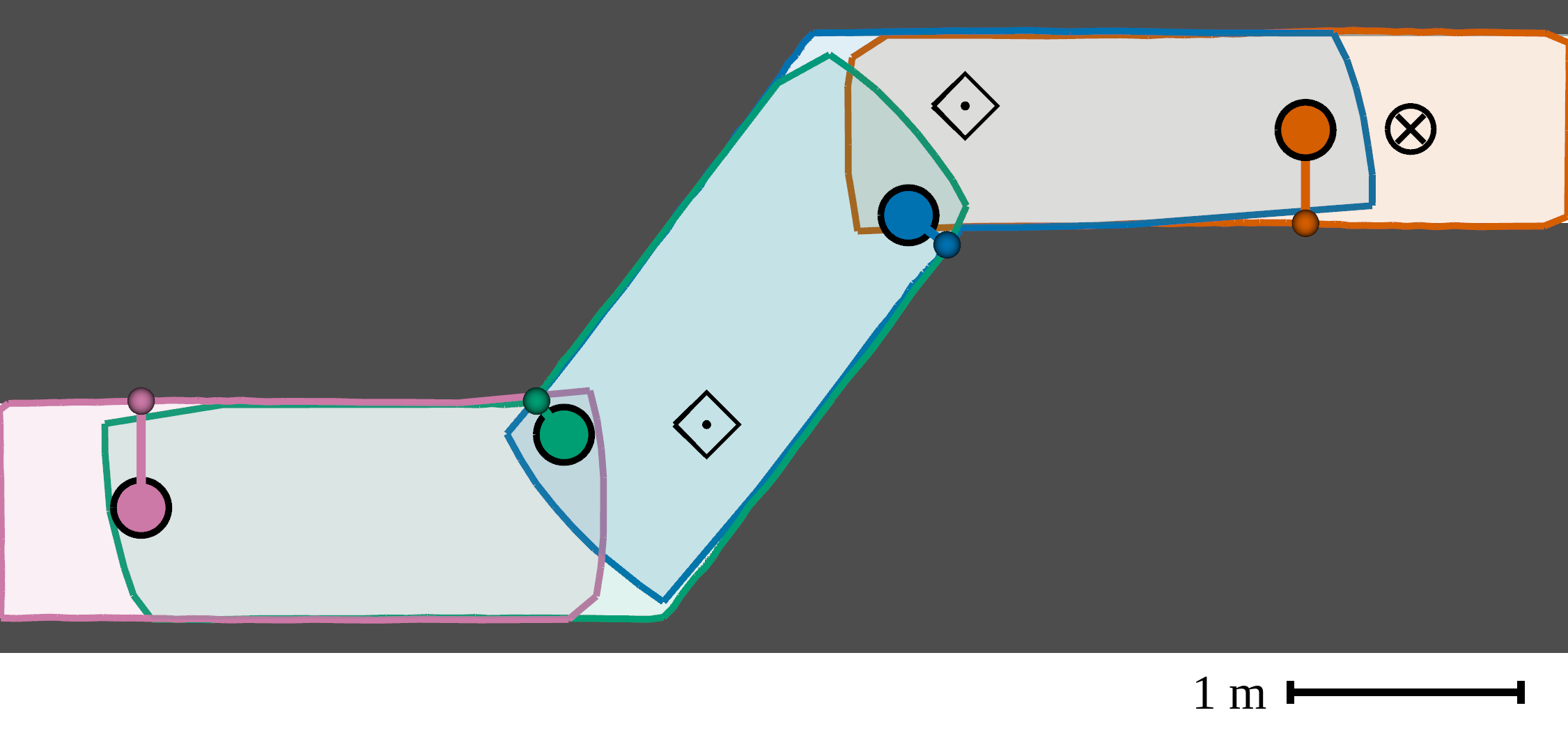
Research: the control method guarantees the link stays connected, and was tested only in simulation.
Research · 3 Nov
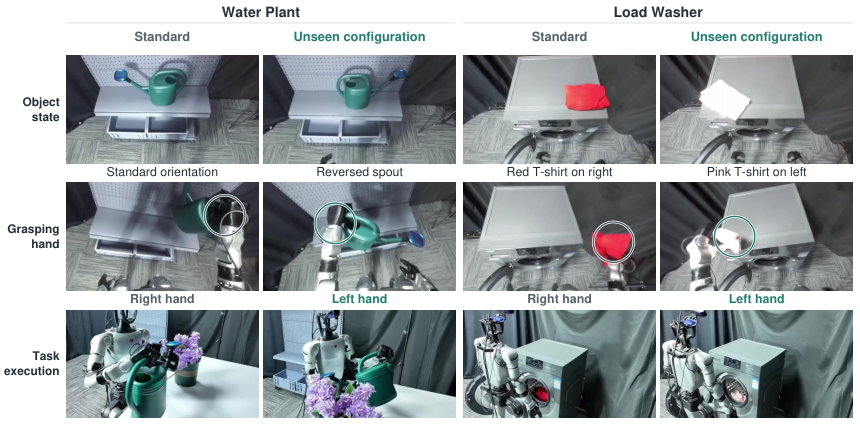
On a real G1 humanoid it reached 85.7% success against the baseline's 70.0%; with unseen object layouts the gap was 65.7% to 48.6%.
Research · 3 Nov
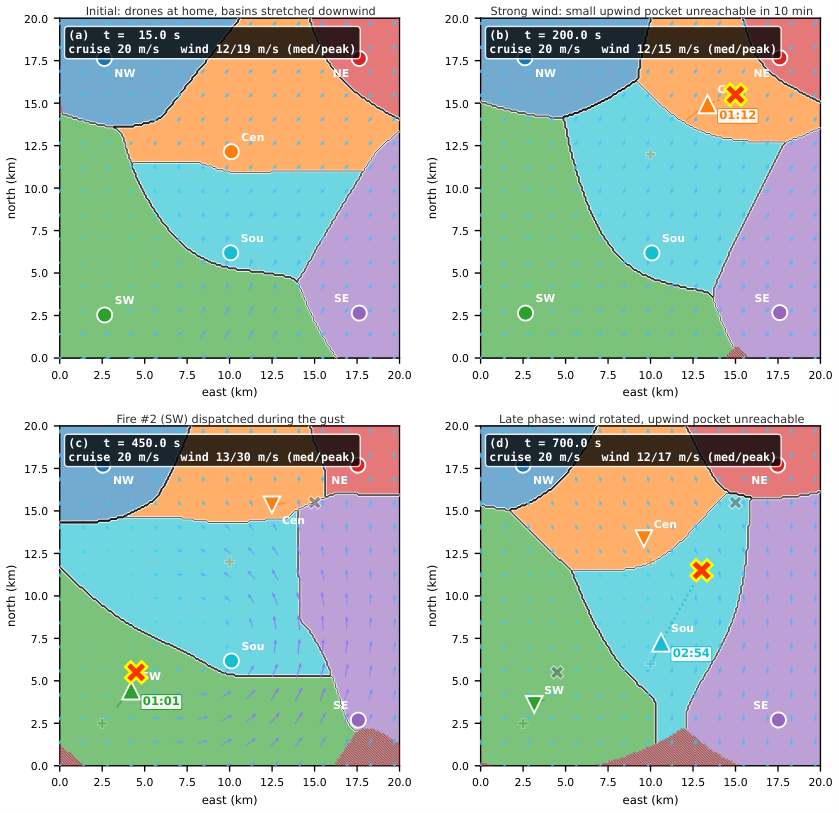
Hamilton-Jacobi reachability, a formal method normally computed offline, runs online in these benchmarks; no physical robot has flown with it yet.
Research · 3 Nov
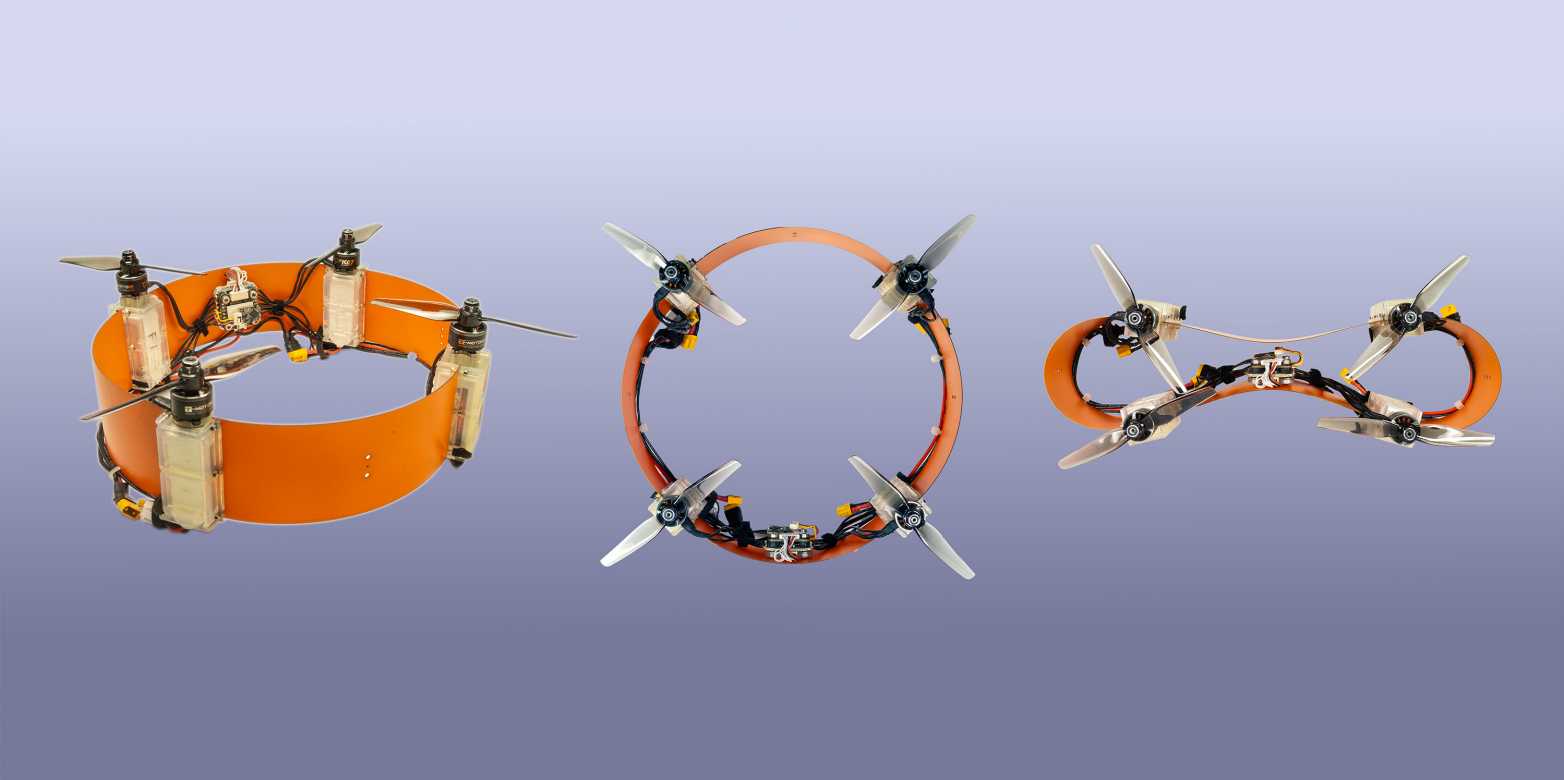
Switzerland: ETH Zurich researchers built a ring-shaped drone frame that deforms in collisions but stays stiff vertically for flight.
Research · 3 Nov
Indonesia: the research agency head says the trial is to help prevent forest fires, and hopes it will prove effective.
Research · 3 Nov
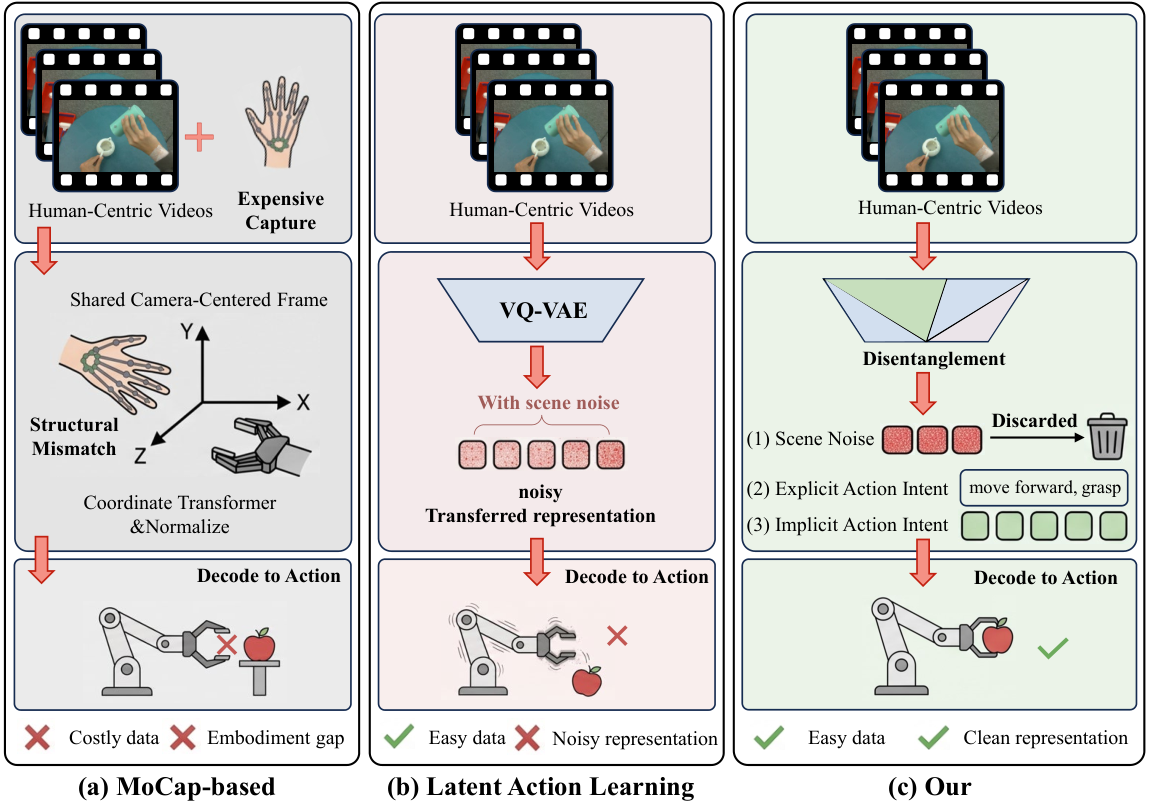
The method beat the UniVLA baseline's 70.4% on an Astribot S1 arm and scored 91.3% on the LIBERO simulation benchmark.

Research · 30 Oct
A $20 million round backs tiles intended to assemble and reconfigure in orbit.
Research · 29 Oct
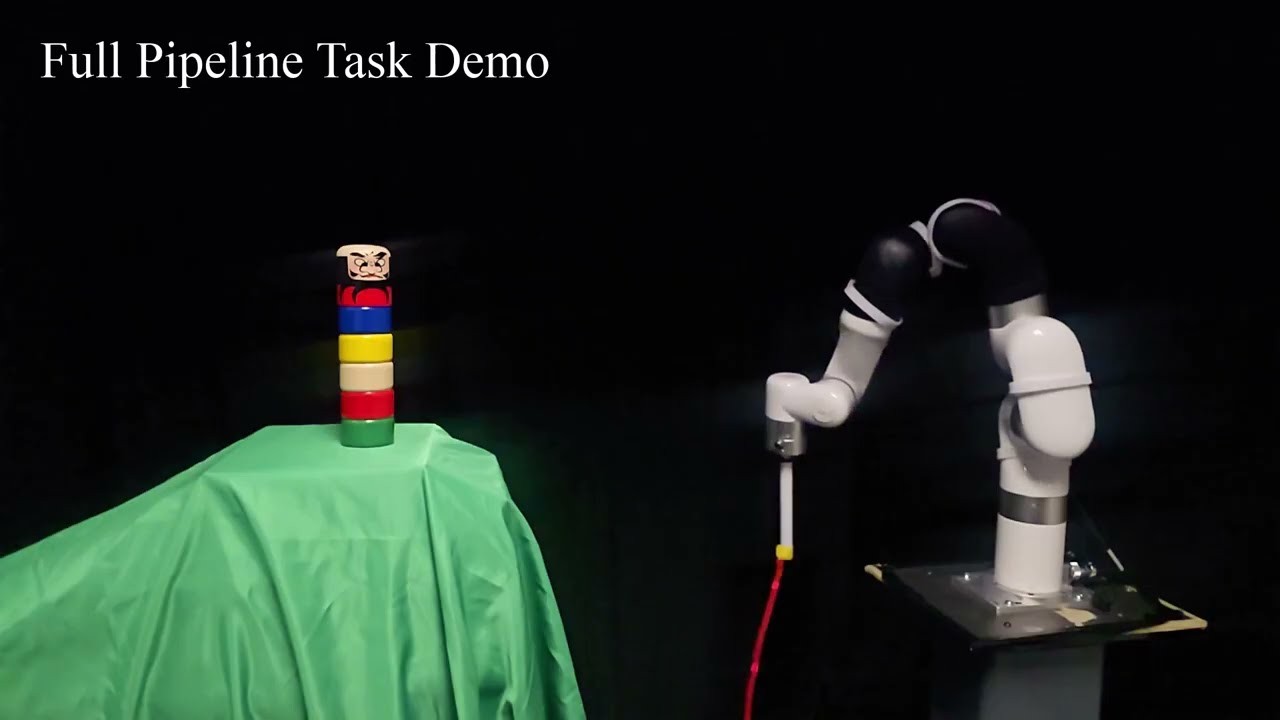
Carnegie Mellon uses a brief motion to estimate how a flexible object will behave.
Research · 27 Oct
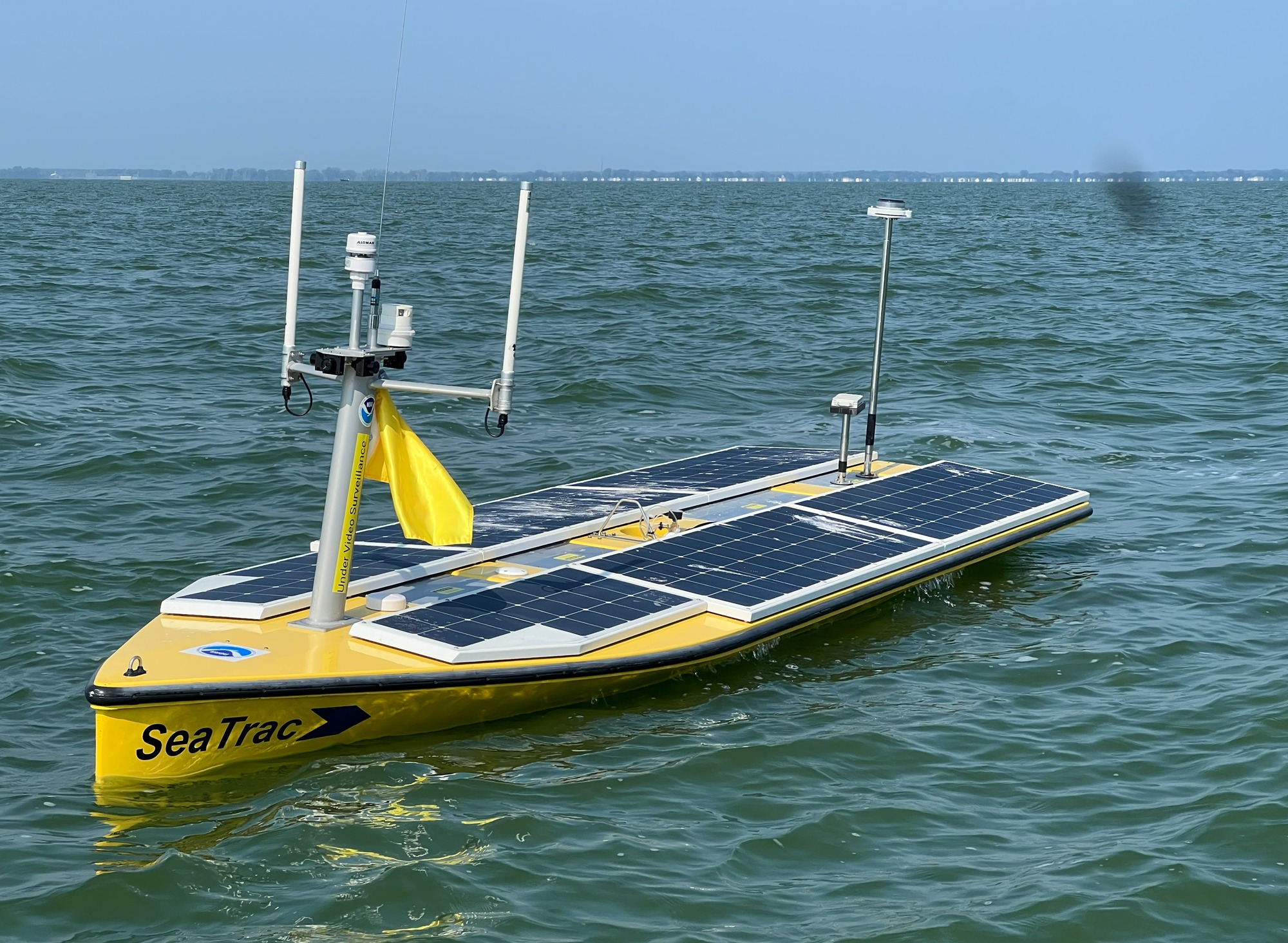
United States: investigators found a NOAA research drone boat was hard to see and inadequately monitored when it collided with a recreational boat in 2024.
Research · 27 Oct
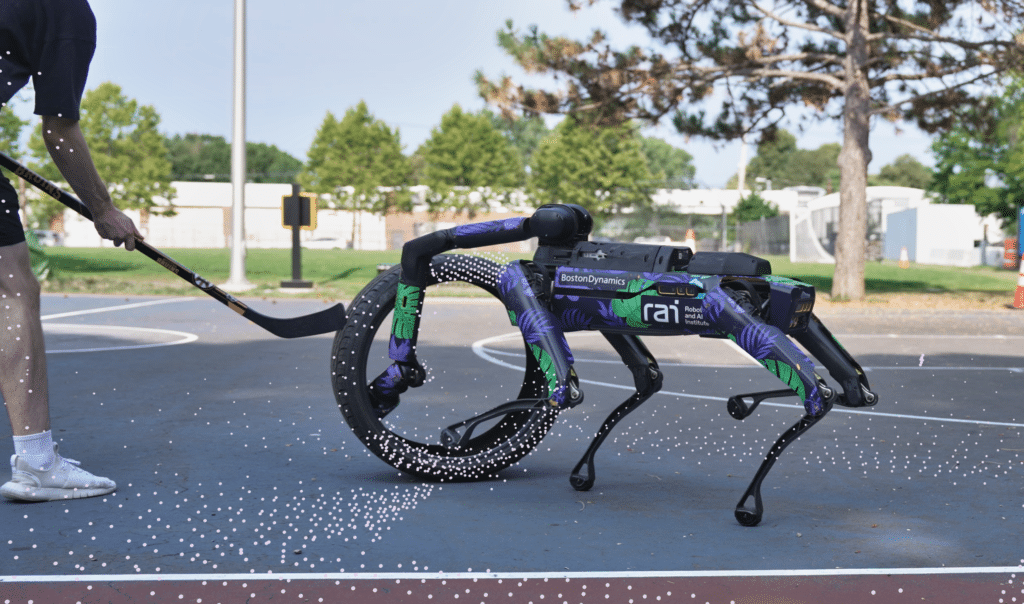
Spot moves a 15 kg tire using its own cameras and onboard computing.
Research · 26 Oct
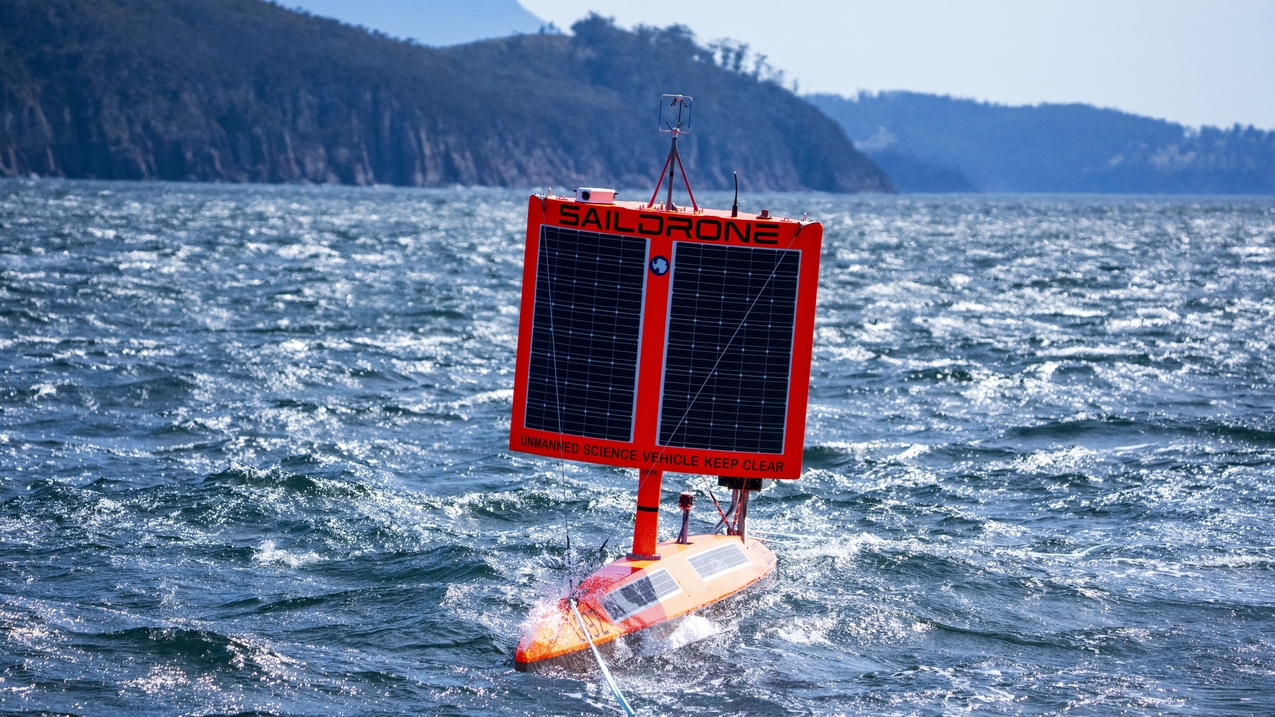
Southern Ocean: The first of four Saildrone Explorer uncrewed sailing vessels left Hobart, Tasmania, on 19 September to start a five-year project led by the United States National Oceanic and Atmospheric Administration, Columbia
Research · 22 Oct
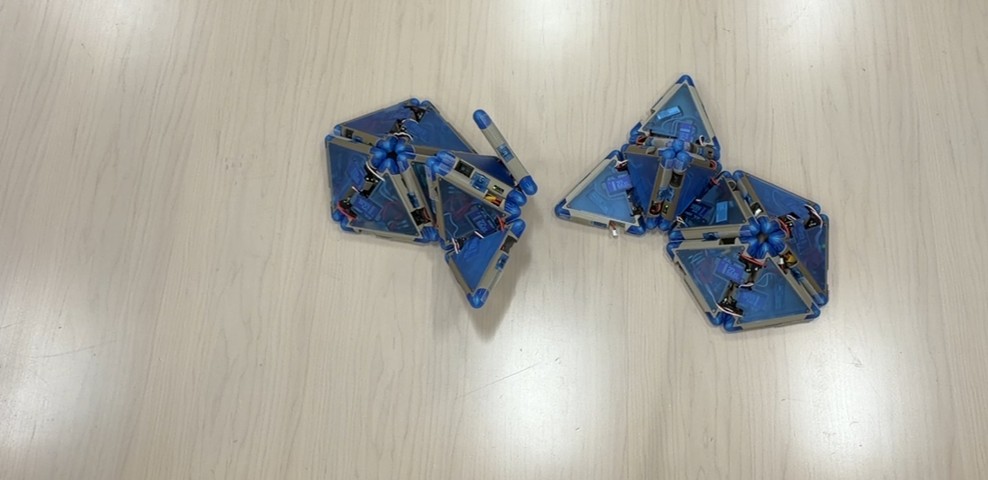
Columbia researchers demonstrate hardware budding with magnetic modules under human control.
Research · 17 Oct
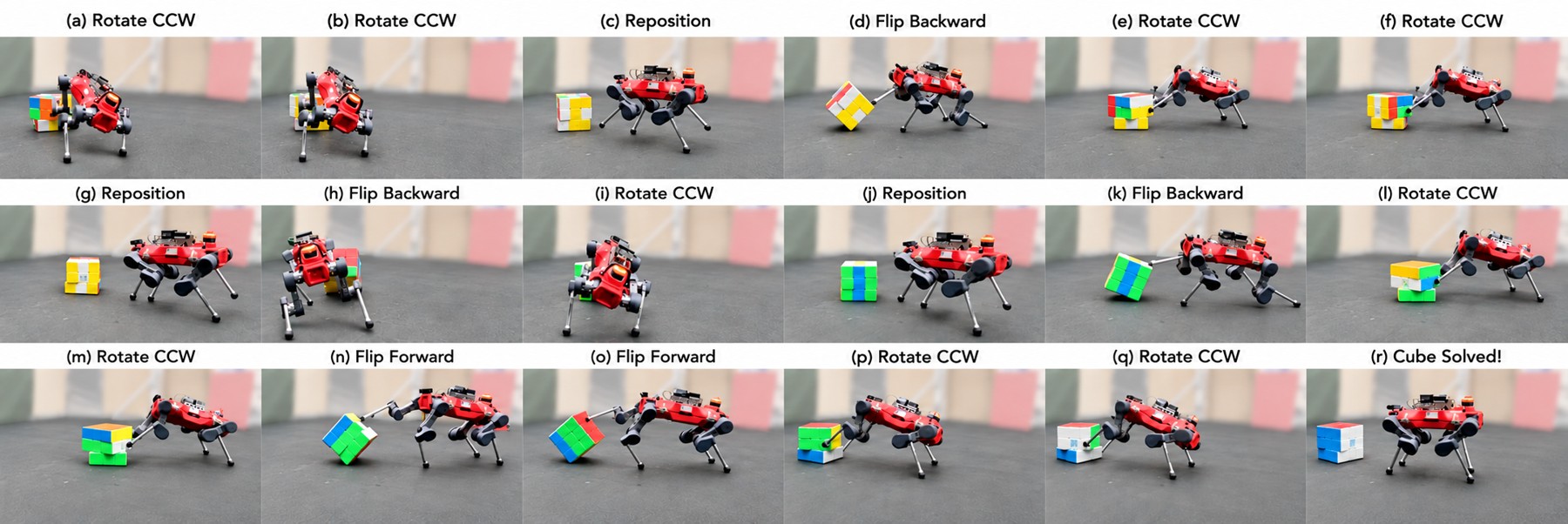
ETH researchers report three autonomous hardware solves, each taking eight to nine minutes.
Research · 16 Oct
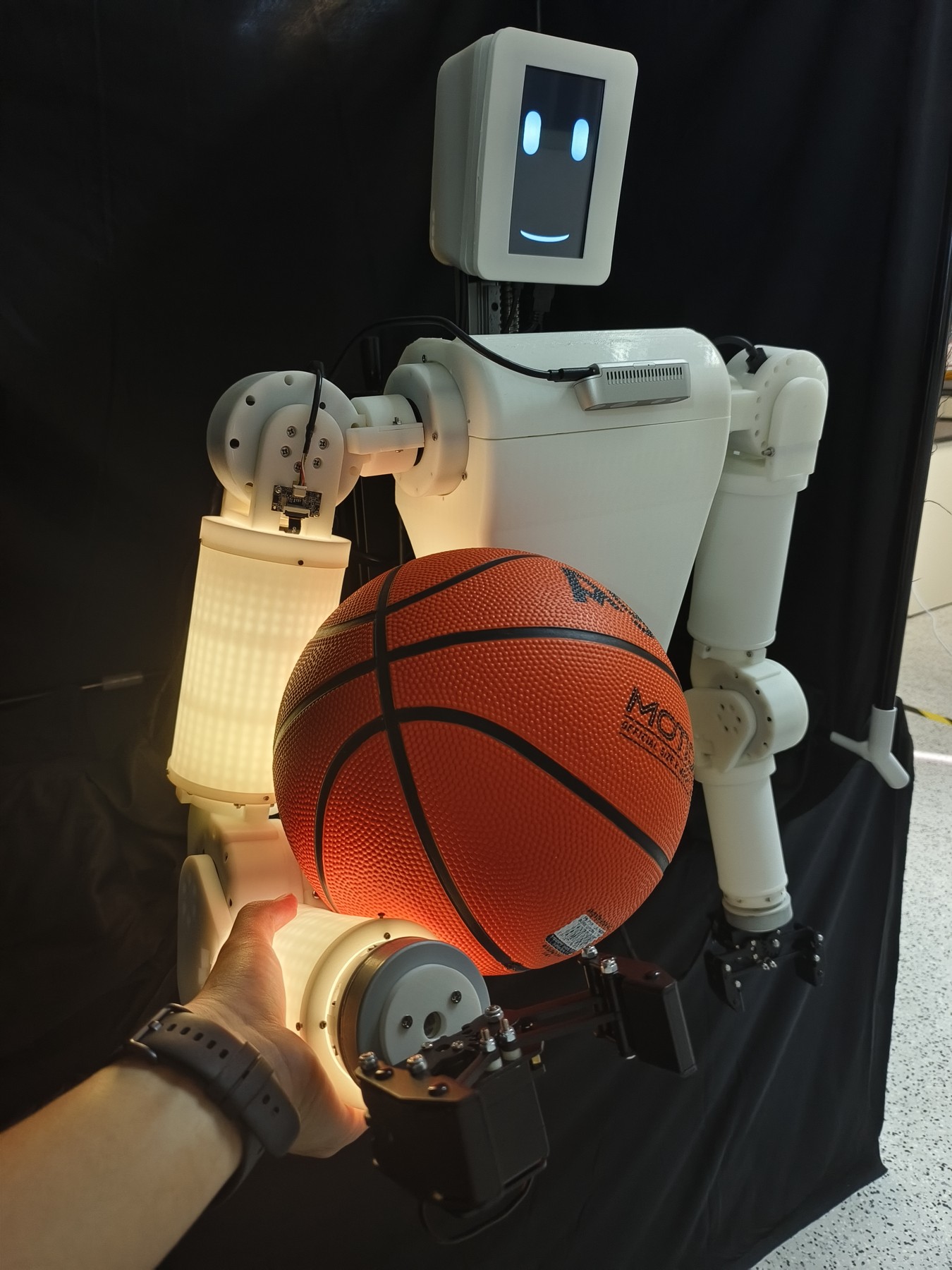
HKUST demonstrates a robotic arm that uses tactile feedback to adjust its posture and respond to contact.
Research · 13 Oct
A soft robot combines artificial muscles, an onboard camera and contact sensing in a physical demonstration.
Research · 7 Oct
A physical prototype uses snapping elastic rods to turn small motor movements into jumps.