French startup Alta Ares entered the North Atlantic Treaty Organization's (NATO) counter-drone framework agreement, in a development revealed on November 5. The agreement allows allied partner countries to procure protective systems against aerial threats directly from the French defense manufacturer without the need for new tenders. Alta Ares secured 16 awarded lots under the contract, bagging the highest number of awards among the five companies covered under the NATO procurement catalog, alongside Northrop Grumman and Axon Enterprise from the United States, Quantum Systems from Germany, and OSL from the United Kingdom.
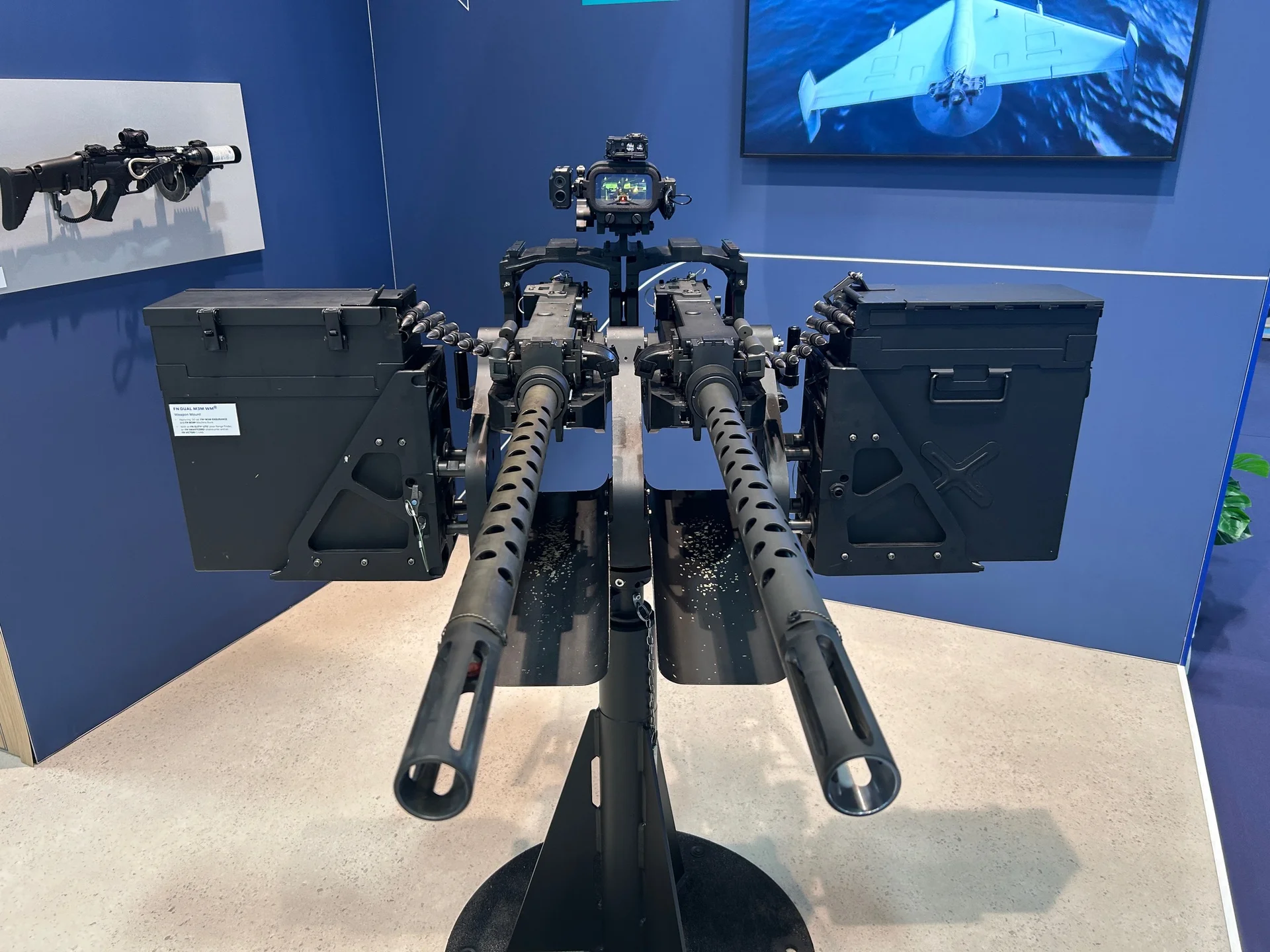
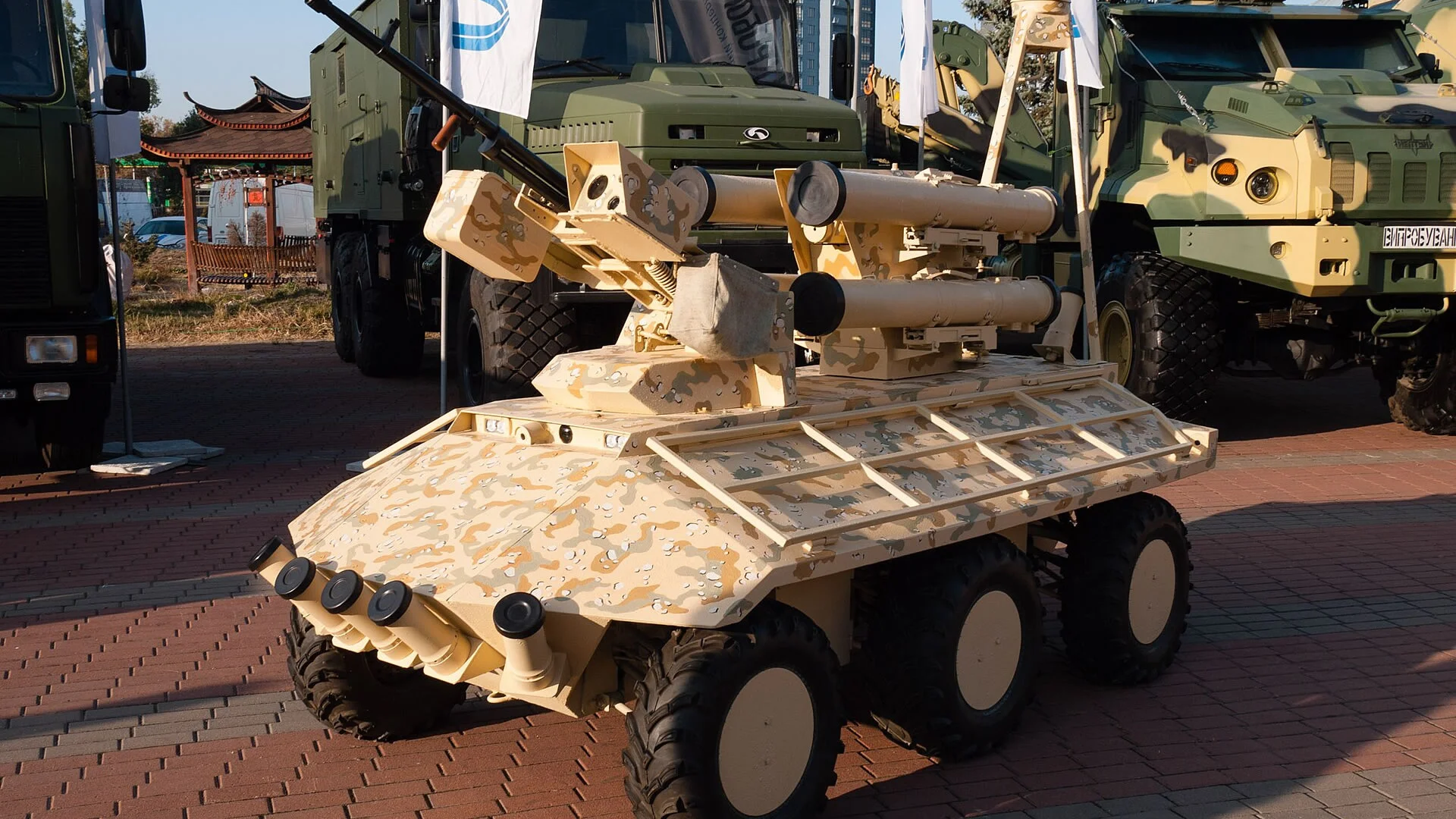
The Framework Contract for Counter-Unmanned Aircraft Systems (C-UAS), which is part of the Drone Edge Marketplace under NATO's Rapid Adoption Action Plan, is designed to shorten procurement cycles through a catalog of preselected systems that allied nations can buy or lease. Alta Ares stated that six lots cover area defense and border protection, noting that it is the only supplier selected for area defense across all three mobility levels: static, transportable, and on-the-move. The category spans requirements including the protection of munition depots and air bases, deploying temporary defensive positions, or assisting military units near conflict areas.
Alta Ares highlighted that its "kill systems" are battle-tested, with software drawing on operational data collected in Ukraine and the Gulf. The company has deployed counter-drone technologies in Ukraine since 2024, receiving direct feedback from units operating against aerial threats such as Shahed-type one-way attack drones and loitering munitions. "A counter-drone system has to work end-to-end, from detecting a threat to intercepting it. We built Alta Ares around that requirement, with software informed by battlefield data from Ukraine," said Hadrien Canter, CEO and founder of Alta Ares.
The company's interceptor technologies include Pixel Lock, a computer-vision solution for target detection and tracking, and Cyclop C2, which supports interceptor guidance using connected sensors and command systems. It has also developed the X-Lock interceptor, which features a stated range of over 9 miles (15 kilometers) and a maximum speed of nearly 200 miles per hour (310 km/hr), as well as Black Bird, a turbojet-powered interceptor project with an announced speed of 435 mph (700 km/hr) and a range of 19 miles (30 km). Alta Ares has not mentioned which of these configurations made it to the NATO framework, but the company is boosting production with industrial partners and considering production arrangements in customer countries for larger orders while expanding its European supply chain.