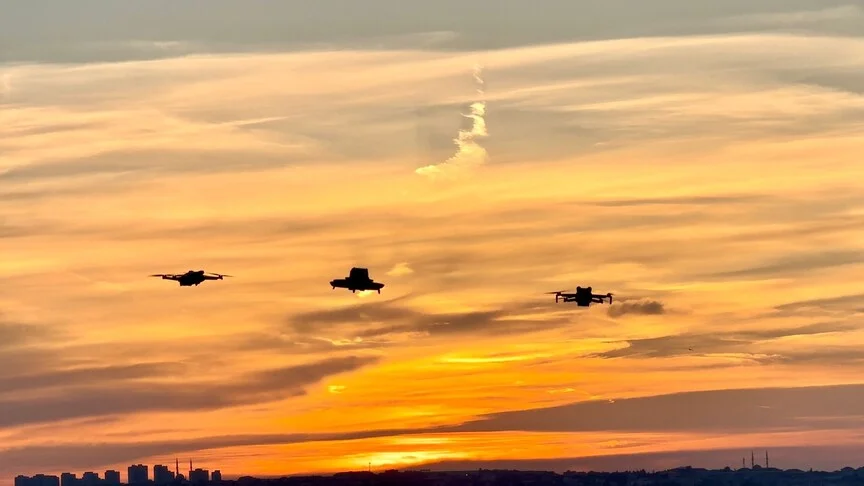
Boeing is testing autonomous drone inspections of C-17 Globemaster III transport aircraft at its maintenance facility in San Antonio, Texas. Operating under the Advanced Aircraft Inspection (AAI) programme, camera-equipped drones fly around the aircraft to photograph its exterior. Boeing's Automated Damage Detection Software (ADDS) then reviews the images for potential issues such as corrosion and lightning strikes, flagging areas for technicians to examine before making final repair decisions.
The inspection method is designed to shorten maintenance downtime and improve worker safety by reducing the need for personnel to climb onto aircraft or work from raised platforms. Results published by the National Centre for Manufacturing Sciences (NCMS) indicate that the system cut inspection time by at least 40% during C-17 heavy maintenance visits, with the detection model identifying more than 95% of anomalies in each scan.
The initiative stems from several years of development alongside autonomous flight specialist Near Earth Autonomy, which received an investment from Boeing's HorizonX Ventures arm in 2017. As Defence News reported in 2023, the companies previously conducted autonomous inspection trials at Joint Base Pearl Harbor-Hickam in Hawaii. The underlying technology has also been tested on other military aircraft, including the KC-46 Pegasus, KC-135 Stratotanker, P-8 Poseidon, EA-18G Growler, and C-5 Galaxy.
The drone trials align with Boeing's broader maintenance efforts for the C-17 fleet, which include the April introduction of Aircraft Data Reasoner software and plans announced in July to work with Pelico on scheduling and parts supply. Boeing indicated that historical service data showed an associated 2%–3% increase in aircraft availability, and the company intends to eventually expand the drone inspection process to other aircraft and maintenance facilities.
Also reported by Indomiliter