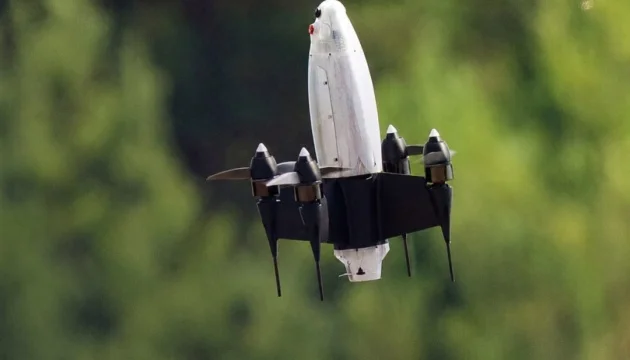
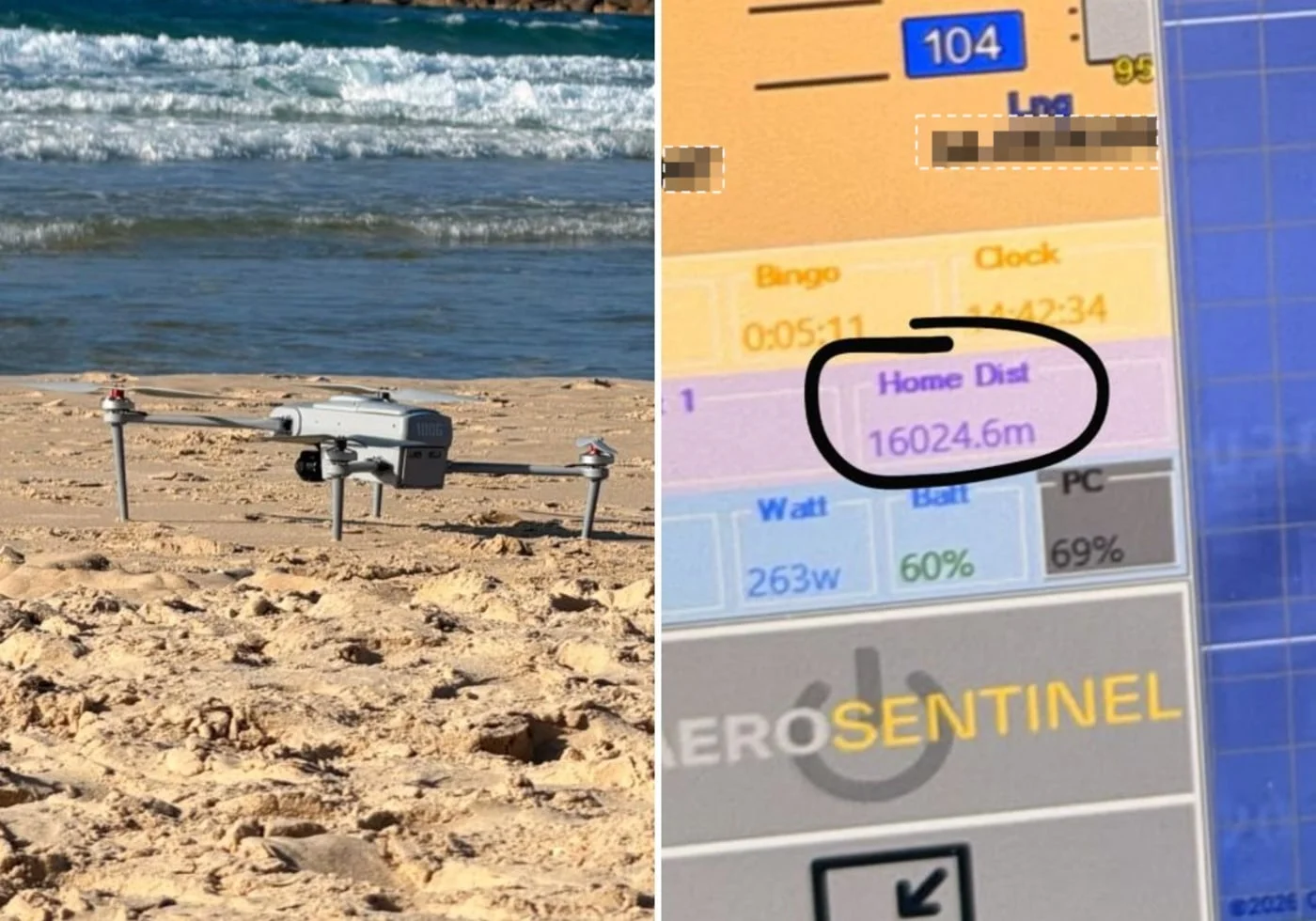
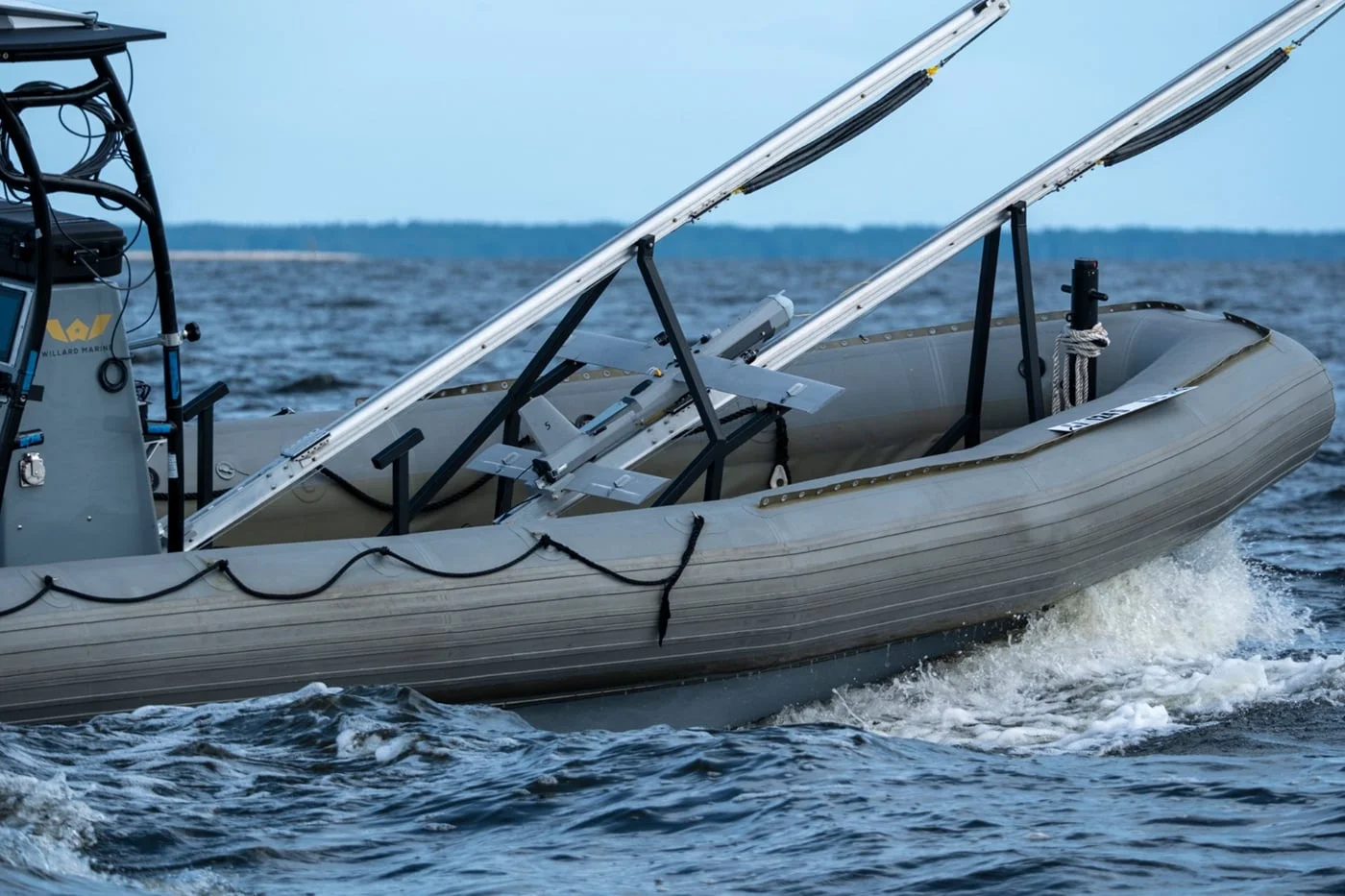
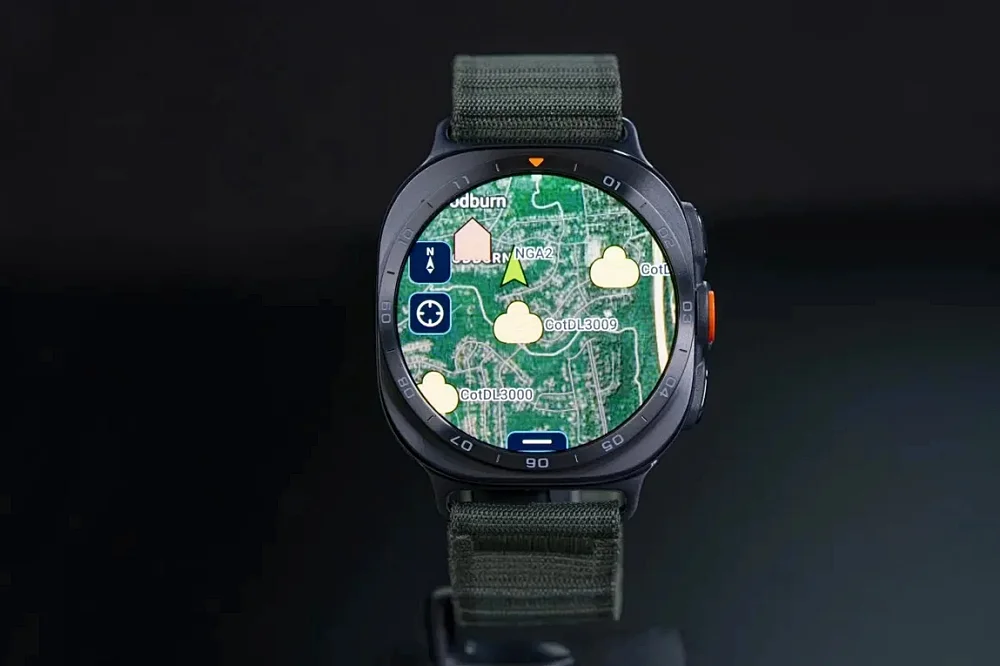
The Bundeswehr's Panzerbrigade 45 is testing the tactical use of about 100 loitering munitions, Stark's Virtus and Helsing's HX-2, in its exercise Freedom Shield II at the Rūdninkai training area south of Vilnius, close to the border with Belarus, the blog Augen geradeaus reports. For the first time, soldiers who have trained on the systems for about a year, and not staff from the companies, are in charge of flying them.
On Sunday, 22 November, members of the Bundestag's defence and budget committees watched Virtus and HX-2 take off, circle over the range and dive onto tanks and infantry fighting vehicles provided by NATO's battlegroup in Lithuania, which counted as destroyed in the exercise. Falke reconnaissance drones from Quantum Systems supplied the target data. The warheads are usually replaced with plaster of about the same weight, and the drones' range of just over 100 kilometres goes unused because Belarus is only about 20 kilometres away.
Helsing said its new Clarity software was used to find and assign targets, while a person is meant to keep the final say. Brigade commander Christoph Huber said he has about 700 drones for the exercise, up from about 300 in the spring. The head of the German Army, Christian Freuding, said the loitering munitions would be used straight away if a war started that night. A third system, from Rheinmetall, is due to join the two soon.
Background
Panzerbrigade 45
Armoured brigade
German brigade of the 10th Panzer Division, permanently stationed in Lithuania and formally set up on 1 April 2025.
More stories about Panzerbrigade 45
More stories about Virtus
HX-2
Loitering munition
A strike drone made by Helsing that can engage artillery, armoured and other military targets up to 100 km away.