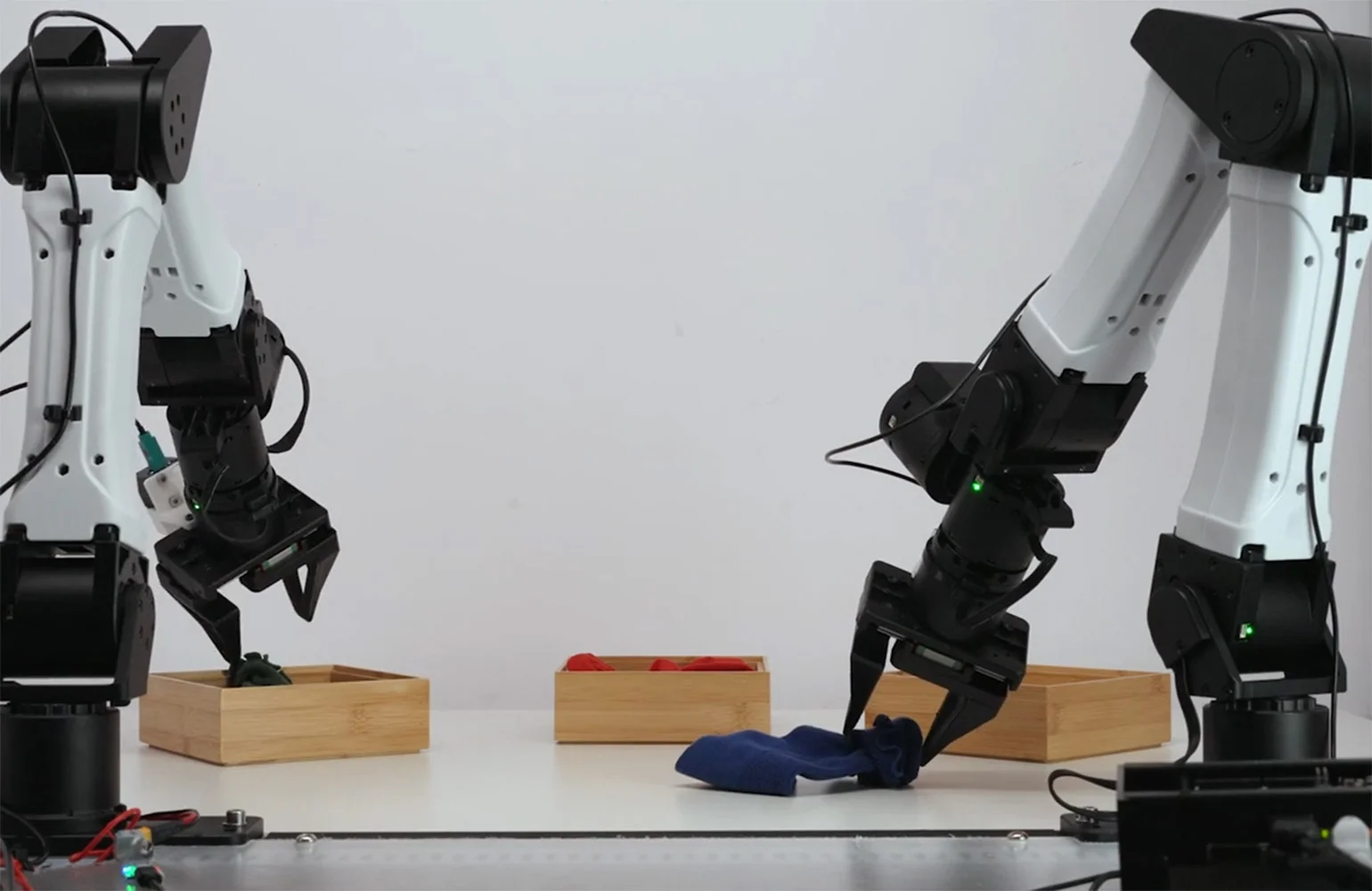
South Korea's Electronics and Telecommunications Research Institute (ETRI) has developed Trinity, a benchmark that checks whether robots and AI agents plan tasks that suit the person they serve, not only whether they understand their surroundings and finish the job.
Trinity combines 151 user conditions, built from diets, allergies, religious food rules and hobbies, with a virtual home and 95 objects linked to those traits. A task counts as failed if the robot brings the wrong item for the user, even when it finds and moves it correctly. When the researchers tested leading AI agents built on large language models, they found a gap between understanding the surroundings and acting on the user's needs, and in some cases an AI chose food unsuitable for a vegetarian user.
The work was presented at EMNLP 2026 Findings last month, and ETRI has released Trinity's code and data. The researchers plan to extend it from food and drink to cleaning, tidying and safety.
Kim Do-hyung, head of ETRI's social robotics lab, said Trinity also judges whether a robot's actions are right for the person receiving the service.
Background
Electronics and Telecommunications Research Institute
Research institute
South Korean research institute that developed the Trinity benchmark for robot AI.