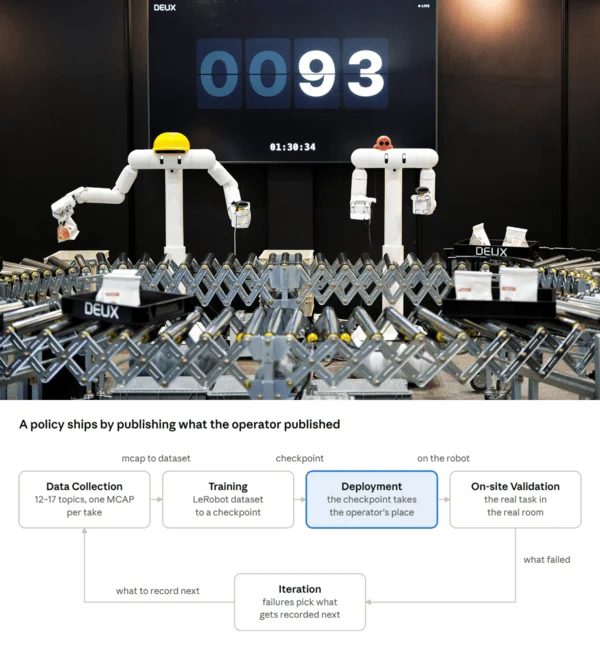
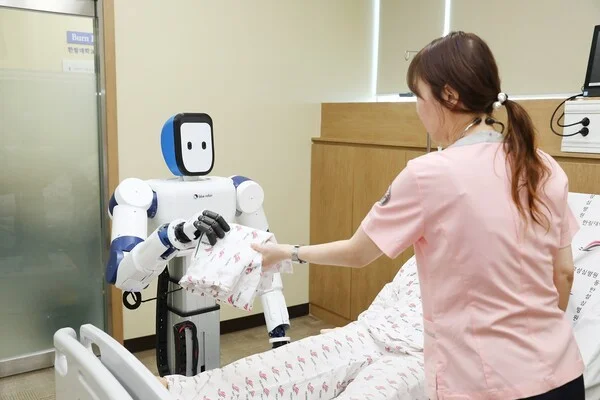
Researchers led by Elena Merlo, with Arash Ajoudani among the authors, have built a framework that lets a person work freely on a shared task while a robot takes on the activities left to it, according to a paper on arXiv. A large language model reads the person's preferences from instructions in plain language, and the robot watches how the person's hands interact with objects.
A behaviour tree assigns the robot's activities by cost, and the system can spot mistakes in the person's work and step in to correct them. The approach was tested in a pilot study and an experiment with 14 participants. The authors say it made the collaboration easy and engaging without raising the workload people felt.