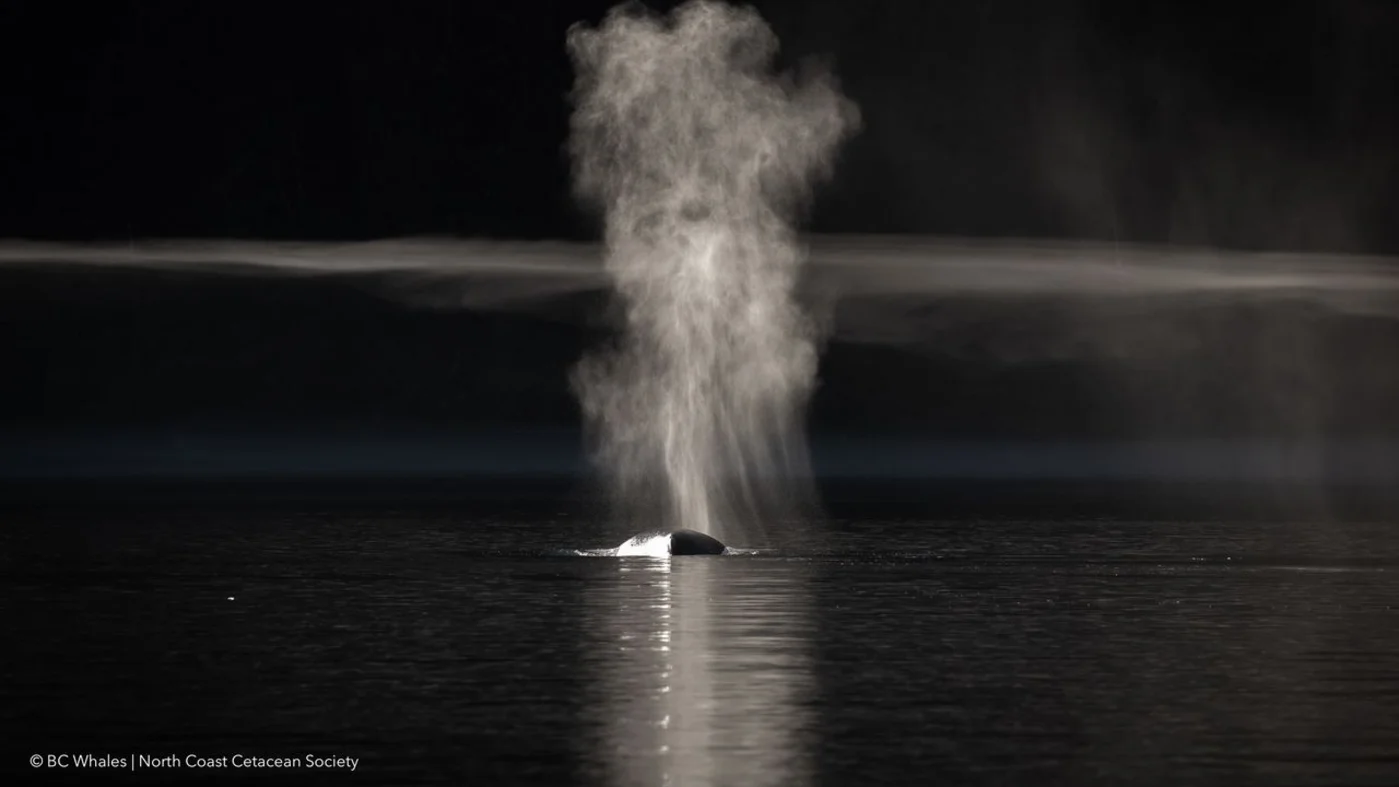
Researchers at the University of St Andrews in Scotland have sequenced whole humpback whale genomes from breath collected by a drone instead of skin samples, iXBT reports.
A small DJI Mavic 2 Pro carried a sterile petri dish through the cloud of air each whale breathed out. Droplets with whale cells and DNA stuck to it. The team gathered 58 samples from 26 humpback whales. On average a sample held about 2.6 breaths. About 38% of the samples were taken with the drone launched from shore, without a boat.
On average 83.6% of the DNA in the samples came from the whales. That was enough for both the nuclear and the mitochondrial genome. Repeat samples from the same whales gave matching profiles. So did biopsies from two of them. The data also showed the sex of every whale correctly.
The authors say the method still has to be tried on other whale species. Lead author Eadin O'Mahony wants to find out whether whales that feed together in northern British Columbia are related.
Background
More stories about University of St Andrews
DJI
Drone maker
DJI is a Shenzhen company that makes camera drones, Matrice enterprise drones used by police, rescuers and surveyors, drone docks and agricultural drones.