The US Army's 532nd Military Intelligence Battalion has spent eight months in South Korea testing Project MANOWAR, a low-cost system that listens for small drones, with the Army Research Laboratory, the 2nd Infantry Division, industry and South Korean army forces. The two-week field trials took place at Camp Humphreys and at Baegiri Airfield, home of the Republic of Korea Army Drone Academy.
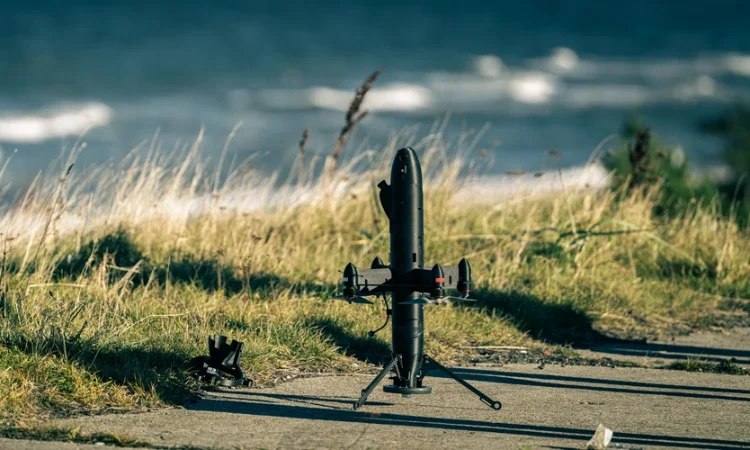
MANOWAR stands for “Mobile Acoustic Network for Operational Warning and Aerial Reconnaissance” and is designed to detect, classify and locate small drones, including FPV drones. It has a 3D-printed body and a machine-learning algorithm written by military intelligence soldiers with Army Research Laboratory scientists. The sensors pass data to each other in a mesh network and run on standard military batteries.
The Army said the system's confidence against low-flying threats rose between the May and September trials and reached more than 90% by September. The battalion now wants to move it into production at scale and make it a formal Army programme of record.
Background
532nd Military Intelligence Battalion
Army unit
A US Army military intelligence battalion of the 501st Military Intelligence Brigade, working in South Korea.
Project MANOWAR
Acoustic drone detection system
A low-cost US Army system with 3D-printed sensors and machine learning that detects, classifies and locates small drones.
United States Army
Armed force
The United States Army is the land service of the US armed forces, and it buys reconnaissance and strike drones, tests interceptor drones and ground robots, and runs test events for commercial drone makers.