Researchers led by Shuntian Zheng have studied what limits millimetre-wave radar when robots use it to sense people, in a paper on arXiv. Such radar works in darkness and smoke and does not capture what people look like, which suits assistive and search-and-rescue robots, but the small antenna arrays that fit on robots locate body joints only to within tenths of a metre at a few metres' distance.
The team modelled the person and surroundings as one changing scattering field and derived a lower limit on joint localisation error that depends on bandwidth, aperture, signal-to-noise ratio, the number of fused frames, phase coherence and which returns remain visible. Tests on three datasets and a live deployment matched the predictions: a second viewpoint lowered mean per-joint error from about 97 mm to 65 mm, while a stronger estimator mainly filled in joints the radar could not resolve.
Background
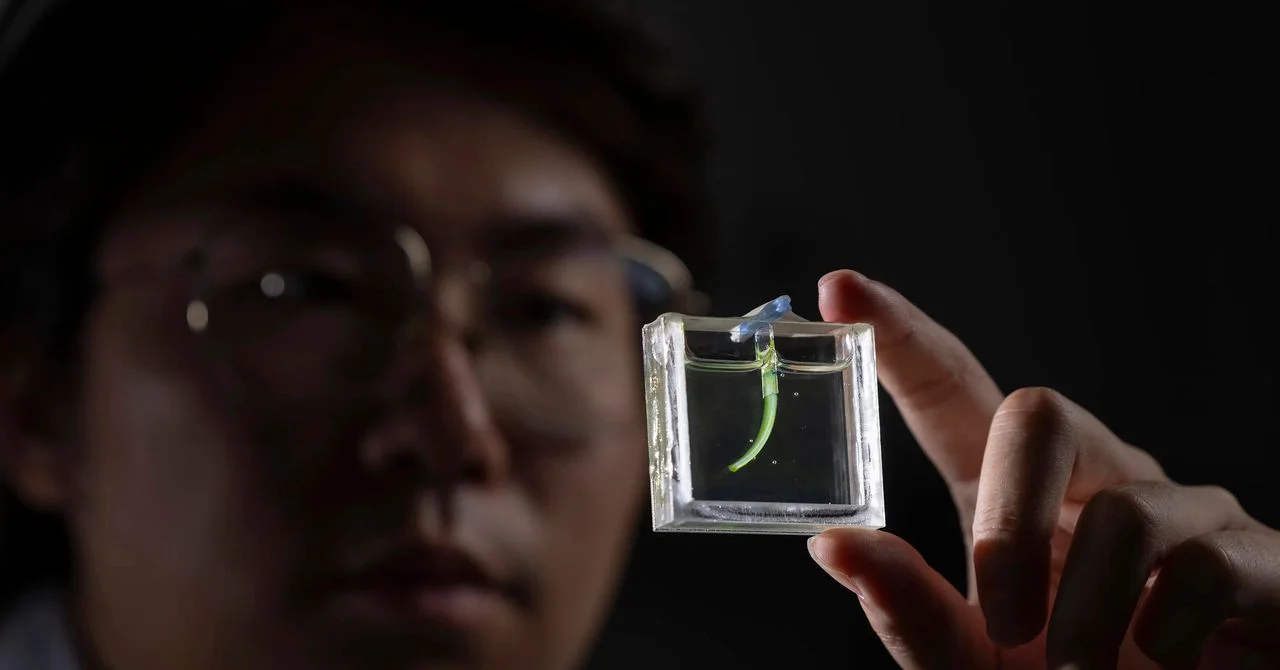
Shuntian Zheng
Researcher
Lead author of an arXiv paper on how well millimetre-wave radar can sense people for robots.
Description from arXiv Robotics (cs.RO)